
Top stories in Nova Scotia

Dartmouth manhunt suspect pleads guilty to four charges
A Dartmouth man who was the subject of a manhunt last week has entered guilty pleas on four criminal charges.
David John Campbell, 49, pleaded guilty Monday in Dartmouth provincial court to charges of uttering threats and assault from the events of ...
Updated 48 minutes ago
|2 min read
Cape Breton Regional Police investigating complaint alleging funds missing from volunteer fire department
Updated 4 hours ago
|6 min read

Signs of trouble: West Nova Chamber of Commerce pushing province to repair and replace damaged signs
Updated 4 hours ago
|9 min read
SHELDON MacLEOD: After the wildfires— lessons on being prepared
Updated 4 hours ago
|1 min read
Two dead after recreational boat capsizes on the Annapolis River
Updated 6 hours ago
|3 min read
The truest of caregivers: It’s National Nursing Week across Canada
Updated 2 hours ago
|9 min read
Local
More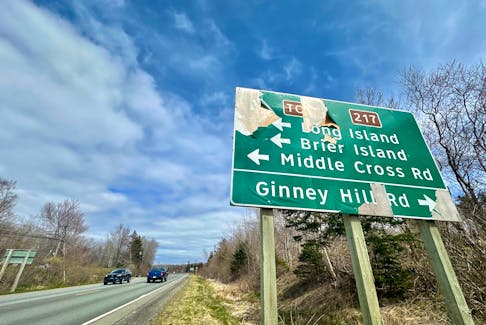
HANTS HISTORY: End of April, Early May 2024 edition
Updated a day ago
|12 min read

McClures Mills roundabout starting construction this month in Truro, N.S.
Updated 21 hours ago
|2 min read

Roseway Hospital 'a leader when it comes to digital imagery’ those attending Shelburne County celebration told
Updated 21 hours ago
|8 min read
Public Works issues road work traffic advisory for Pictou County
Updated 22 hours ago
|1 min read
Gun talk and ‘homophobic comments’ lead to N.S. handgun seizures: ‘He is ready for battle’
Updated 22 hours ago
|4 min read
Opinion
More
MARTHA MUZYCHKA: The Hunger Games – The challenges of putting affordable food on our plates
Updated 1 hour ago
|4 min read


PAM FRAMPTON: A brief fling with spring before hopes were dashed again
Updated 3 hours ago
|6 min read
LETTER: Review needed on recent court cases
Updated 3 hours ago
|1 min read
COMMENTARY: P.E.I. government policies hurting health-care recruitment effort
Updated 21 hours ago
|3 min read
Business
More
How two friends turned their mushroom passion into a growing business in P.E.I.
Updated a day ago
|7 min read


A chilling twist in the case of accused Canadian billionaire Robert Miller
Updated 22 hours ago
|24 min read
China approves first gene-edited wheat in step to open up GM tech to food crops
Updated 1 minutes ago
|2 min read
Lifestyles
More
IN PHOTOS: McHappy Day celebrated across Cape Breton
Updated 52 minutes ago
|2 min read

PAUL SMITH: What's your best bet for a hunting gun? A look at the pros and cons of the options available
Updated 1 hour ago
|9 min read

The truest of caregivers: It’s National Nursing Week across Canada
Updated 2 hours ago
|9 min read
Cape Breton Community Calendar events for May 9-15, 2024
Updated 2 hours ago
|8 min read
P.E.I. country singer-songwriter Alli Walker headlines Canada Day celebration in Summerside
Updated 4 hours ago
|2 min read
Sports
More
NASCAR’s Regan Smith returns for this summer’s IWK 250
Updated 13 hours ago
|2 min read

Nova Scotia's Nathan MacKinnon named finalist NHL's MVP award
Updated a day ago
|1 min read

Nova Scotia's Nathan MacKinnon, Brad Marchand embrace circumstances heading into Round 2
Updated May. 6, 2024
|5 min read
‘I wish we could go play tomorrow’: Halifax Thunderbirds’ quarter-final loss still stinging for veteran Randy Staats
Updated May. 5, 2024
|6 min read
Mooseheads' Mathieu Cataford named QMJHL's most valuable player
Updated May. 3, 2024
|4 min read
Communities
MoreSigns of trouble: West Nova Chamber of Commerce pushing province to repair and replace damaged signs
Updated 4 hours ago
|9 min read
HANTS HISTORY: End of April, Early May 2024 edition
Updated a day ago
|12 min read
McClures Mills roundabout starting construction this month in Truro, N.S.
Updated 21 hours ago
|2 min read
Roseway Hospital 'a leader when it comes to digital imagery’ those attending Shelburne County celebration told
Updated 21 hours ago
|8 min read
Public Works issues road work traffic advisory for Pictou County
Updated 22 hours ago
|1 min read
Canada
More
Salmon Cove, N.L., upgrading water and sewer lines
Updated 24 minutes ago
|1 min read

Public engagement open for first four of ten proposed N.L. protected areas
Updated 46 minutes ago
|2 min read

Charlottetown Airport to undergo $40-million expansion in next three years
Updated 1 hour ago
|7 min read
MyHealthNB provides estimated wait times for non-urgent medical imaging tests
Updated 3 hours ago
|2 min read
P.E.I. man said to be driving erratically in Charlottetown refuses breath test
Updated 5 hours ago
|1 min read
World
More
Croatian ruling party agrees to form government with far-right party
Updated 19 minutes ago
|2 min read

Fed's Collins says economy may need to weaken to get 2% inflation
Updated 21 minutes ago
|2 min read

Ukraine lawmakers back bill allowing some convicts to enlist in army
Updated 30 minutes ago
|2 min read
Death toll from heavy rains in Brazil hits 100
Updated 40 minutes ago
|1 min read
Russian attack hits school stadium, injures four children in Ukraine's Kharkiv
Updated 50 minutes ago
|1 min read
Recent Stories

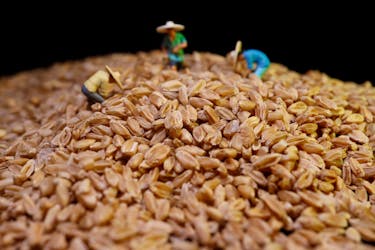
China approves first gene-edited wheat in step to open up GM tech to food crops
Updated 1 minutes ago
|2 min read
MacDougall right back to work at UNB after returning home from coaching Canada to world U18 championship
Updated 5 minutes ago
|6 min read
Canada's Suncor leasing Aframax vessels, selling Trans Mountain crude direct
Updated 9 minutes ago
|2 min read
They just don't make 'em like they used to: How to find the right appliance for your needs
Updated 9 minutes ago
|3 min read
Local, trusted news matters now more than ever.
And so does your support.
Ensure local journalism stays in your community by purchasing a membership today.
The news and opinions you’ll love starting as low as $1.